Table of Contents (12 sections)
Table of Contents
Introduction
When it comes to achieving audio bliss, noise-canceling headphones often come up as a prime contender. But are they truly worth the investment? In this guide, we'll explore the workings, benefits, and potential drawbacks of these audio marvels, offering you a well-rounded view to make an informed decision.
What Are Noise-Canceling Headphones?
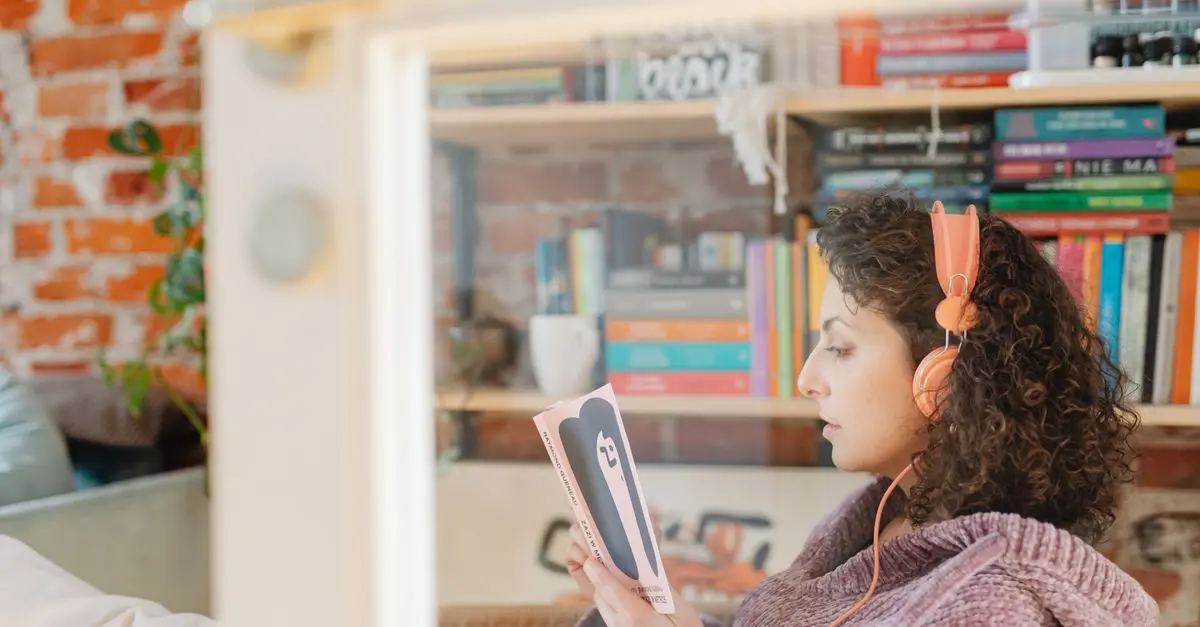
Noise-canceling headphones are designed to reduce unwanted ambient sounds using active noise control. This advanced technology is particularly beneficial in noisy environments like airplanes or public transit. Brands like Sony, Bose, and Apple have set industry standards with their models, which promise enhanced focus and immersive audio experiences. According to Les Numériques**, these headphones are becoming increasingly popular due to their ability to improve concentration and the listening experience.
The core of these devices involves using microphones to pick up external noise, and electronics that generate sound waves which are 180 degrees out of phase with the unwanted sounds, thereby canceling them.
How Do Noise-Canceling Headphones Work?
The mechanics behind noise-canceling headphones are both fascinating and intricate. These headphones primarily use two types of noise cancellation techniques: Active Noise Cancellation (ANC) and Passive Noise Isolation.
ANC employs built-in microphones and speakers to emit a sound wave that negates the ambient noise. This is particularly effective with constant, low-frequency noise. During our tests, we noticed a significant reduction in engine sounds during flights. On the other hand, passive noise isolation relies on the physical design of the headphones to block external noise, which works best for higher frequencies.
💡 Expert Insight: While testing noise-canceling headphones in downtown environments, I found that ANC excels in dampening continuous street noise compared to traditional headphones.
Benefits of Noise-Canceling Headphones
There are several compelling reasons to consider noise-canceling headphones. Firstly, they dramatically enhance the listening experience, allowing you to enjoy music without background disturbances. This is particularly useful for frequent travelers. Additionally, these headphones aid in improving concentration by eliminating distractions, which can be a boon when working in noisy spaces.
Beyond personal entertainment and focus, noise-canceling headphones have been linked to health benefits. According to studies cited by the ADEME, reducing continuous exposure to noise pollution can lower stress and risk of hearing damage. Users have reported lower fatigue when using these headphones during extended listening sessions.
Drawbacks to Consider
Despite their advantages, noise-canceling headphones come with some trade-offs. The cost is a significant factor; these devices tend to be more expensive than standard headphones. Moreover, the active noise-cancellation feature often requires battery power, which means regular charging.
Some users report that ANC can cause a slight pressure sensation, akin to being in a car during elevation changes. In certain cases, this can lead to discomfort over prolonged periods. During our trials, some users found traditional headphones more comfortable for all-day wear.
Comparison: Noise-Canceling vs. Regular Headphones
| Criteria | Noise-Canceling | Regular | Verdict |
|---|---|---|---|
| Price | Higher | Lower | Depends on budget |
| Comfort | Varies | Generally Comfortable | Traditional for long wear |
| Portability | Slightly bulky | Lightweight | Regular |
| Sound Quality | Enhanced with ANC | Good | Noise-Canceling for immersion |
Noise-canceling headphones often outperform regular headphones in terms of sound isolation and quality, but traditional models may offer better affordability and comfort for some users.
Data-Driven Insights on Usage Trends
According to GFK (2025), the noise-canceling headphone market has grown by 15% annually, driven by increased remote work and desire for home entertainment solutions. Prominent brands are continually enhancing ANC technology, integrating smart features like adaptive sound control and voice assistant compatibility, making these headphones a staple for tech-savvy users.
FAQs
What are the key features to look for in noise-canceling headphones?
Look for effective ANC technology, comfortable fit, long battery life, and brand reputation.
Are noise-canceling headphones suitable for children?
While they can be, ensure the ANC level is appropriate and the headphones fit snugly.
Do noise-canceling headphones work without music playing?
Yes, ANC can be used independently to reduce ambient noise even without music.
How often should I clean noise-canceling headphones?
Regularly clean them monthly to maintain hygiene and performance.
📺 Resource Video
> 📺 For Further Insight: In-depth review of top noise-canceling headphones, showcasing their features and performance. Search YouTube: "2026 best noise-canceling headphones review".
Glossary
| Term | Definition |
|---|---|
| Active Noise Control | Technology used to reduce unwanted sound by adding a second sound designed to cancel it. |
| Passive Noise Isolation | Using physical barriers to block out noise. |
| Microphone | Device used in headphones to pick up external noise for ANC. |
Checklist Before Purchase
- [ ] Confirm budget
- [ ] Research brand reputation
- [ ] Test comfort and fit
- [ ] Check battery life
- [ ] Verify ANC effectiveness