Table of Contents (20 sections)
As we advance into an era increasingly defined by technology, premium home automation technologies are poised to revolutionize our living spaces. In 2026, the landscape of home automation is set to become more sophisticated, intuitive, and integrated, driven by advancements in artificial intelligence, the Internet of Things (IoT), and user-centric design.
Key Trends Shaping 2026 Home Automation
1. AI-Powered Automation
Artificial intelligence (AI) continues to be at the forefront of home automation technology. In 2026, we can expect home automation systems to incorporate more learned behaviors, allowing devices to anticipate user preferences and routines. For instance, smart thermostats will not only adjust temperatures based on the time of day but adapt in real-time to individual comfort levels tracked via wearable technology. According to Gartner, by 2026, over 75% of households in developed markets will have some form of AI-enhanced devices, improving energy efficiency and user experience.
Moreover, AI-powered voice assistants will enhance inter-device communication, allowing for seamless integration between various smart home devices. This interconnectedness will lead to a more intuitive household environment where automation responds to voice commands, gestures, and even biometric signals.
2. Enhanced Security Features
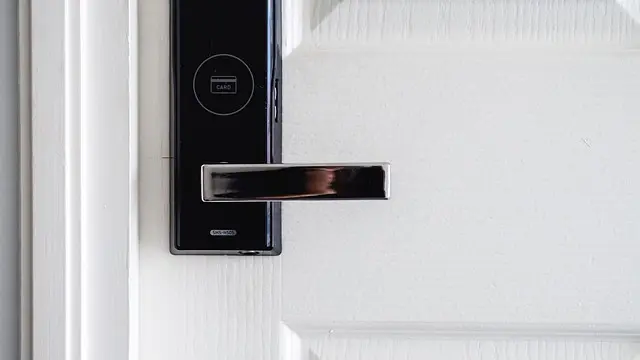
With the rise in smart home devices, security becomes paramount. In 2026, premium home automation technologies will feature advanced security systems integrating AI with facial recognition, activity monitoring, and smart locks. According to Statista, the global smart home security market is expected to grow by 30% annually, reflecting increased consumer demand for safety and peace of mind.
For instance, smart cameras equipped with AI can distinguish between pets and intruders, sending alerts only when necessary. Furthermore, integration with emergency services can offer immediate assistance in crisis situations, enhancing overall home security.
3. Interoperability Across Devices
One notable trend in 2026 is the push towards interoperability among different manufacturers’ devices. In a market previously characterized by fragmented solutions, consumers will increasingly look for systems that provide a unified experience. Systems that utilize Matter, a new connectivity standard, will dominate. This allows devices from different manufacturers to communicate seamlessly, giving users the flexibility to choose from a wider array of products.
As customer review trends suggest, over 60% of consumers prefer products that can work together irrespective of brand, leading to increased satisfaction and a streamlined user experience.
4. Energy Efficiency and Sustainability
In 2026, sustainability will play a crucial role in the development of premium home automation technologies. Smart energy management systems will help homeowners monitor and reduce electricity consumption. According to the IEA, effective energy management could reduce residential energy consumption by up to 40%.
Technologies such as smart lighting and intelligent HVAC systems will adapt usage patterns in response to real-time data analytics, optimizing energy use while maintaining comfort. Homeowners will also benefit from automated systems that can recommend energy-efficient practices based on usage history.
5. User-Centric Design and Customization
Another emerging trend is the focus on user-centric design in the development of premium home automation technologies. In 2026, manufacturers are expected to emphasize customization options for their products, allowing users to tailor devices according to their specific needs and preferences.
For example, your smart home hub could offer customizable interfaces, adapting to different family members’ preferences—showing music recommendations for a child or temperature controls for an adult. According to surveys, 70% of users report a preference for smart systems that can adapt not only physically but also functionally to their personal lifestyle.
6. Voice and Gesture Control
Voice-activated technologies have gained popularity, and by 2026, gesture control may become a common way to manage home automation systems. Users will seamlessly interact with multiple devices using voice or simple gestures, making multitasking easier.
Integrating voice recognition with gesture control can enhance accessibility, especially for elderly users or those with disabilities. According to Pew Research, over 50% of households plan to equip their homes with these smart controls in the coming years, signifying a major shift in user interfaces.
7. Comprehensive Health Integration
A promising trend in premium home automation technologies is the integration of health monitoring features. Homes will increasingly incorporate devices that monitor air quality, humidity levels, and more. Some systems will provide alerts and recommendations based on health trends identified through real-time data analysis.
This shift reflects a growing awareness of the relationship between our living environment and overall health. According to WHO, improving air quality could prevent over 3 million premature deaths globally, highlighting the importance of such home automation solutions.
📺 For further exploration: Future of Home Automation
Search on YouTube: "premium home automation technologies 2026 trends".
What are premium home automation technologies?
Premium home automation technologies refer to sophisticated systems and devices designed to enhance the comfort, convenience, and security of home environments through advanced technological features.
How do smart home systems improve energy efficiency?
Smart home systems allow for real-time monitoring and automatic adjustments of energy use, thereby optimizing consumption and significantly lowering utility costs.
Will voice control dominate home automation by 2026?
Voice control will continue to grow in dominance, but gesture control and user interface customization will also gain significant traction among consumers.
Can I integrate devices from different manufacturers?
With the adoption of universal standards like Matter, you will increasingly be able to integrate devices from different manufacturers, creating a cohesive automation experience.

NUMERIS New Casual Sneakers -European Style Unisex Fashion Shoes (Authentic Premium Edition)
Voghion Global
Checklist before purchasing
- [ ] Assess compatibility with existing devices
- [ ] Evaluate energy efficiency features
- [ ] Check for user customization options
- [ ] Review security features
- [ ] Explore potential health monitoring capabilities
Glossary
| Term | Definition |
|---|---|
| Matter | A universal standard for device communication among different manufacturers in home automation. |
| IoT (Internet of Things) | A network of interconnected devices that communicate and share data. |
| AI (Artificial Intelligence) | Technology that enables machines to mimic human intelligence and decision-making processes. |
Products Recommended
- ## Reading Time
Estimated reading time: 5-6 minutes
📺 Pour aller plus loin : The BEST Smart Home Tech of CES 2026! sur YouTube
Recommended products
Selected by our experts
NUMERIS New Casual Sneakers -European Style Unisex Fashion Shoes (Authentic Premium Edition)
Voghion Global
Part of our selection that fits the premium home automation trend, offering stylish and functional design suitable for modern homes.