Table of Contents (15 sections)
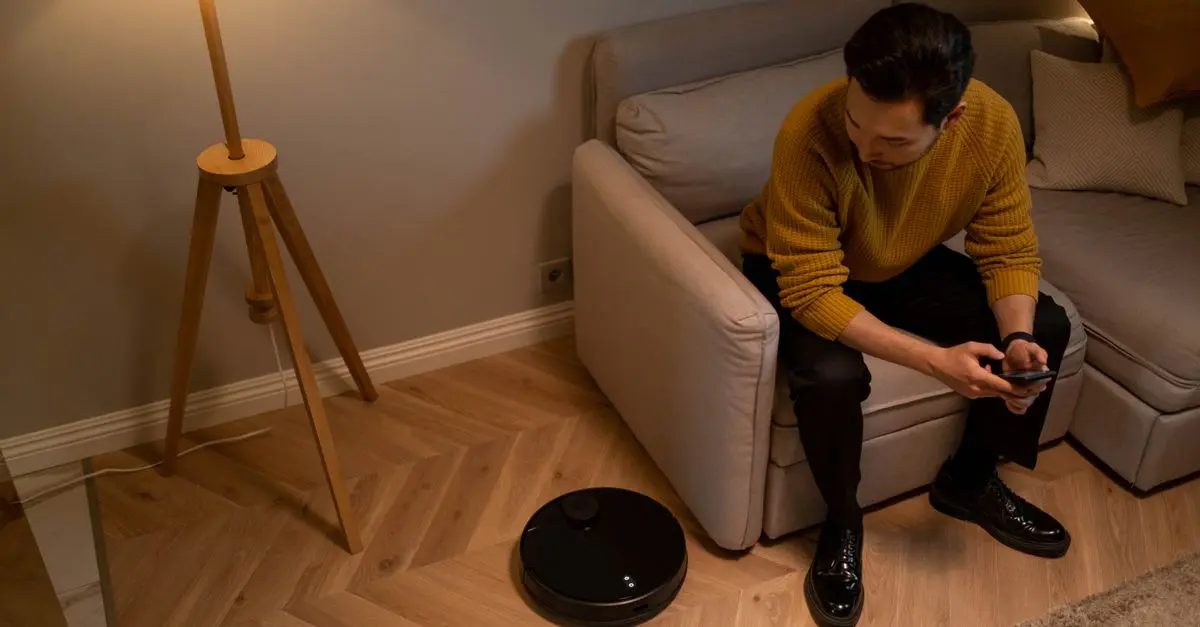
The rise of smart home innovations has revolutionized how we interact with our living spaces. From automated lighting to advanced security systems, these technologies offer convenience, energy efficiency, and enhanced safety. In 2026, the focus on creating fully integrated smart homes has never been more pronounced. This article will explore the top innovations transforming smart homes and their impacts on daily life.
🌟 Key Smart Home Innovations
1. Voice-Activated Assistants
Voice-activated assistants are now ubiquitous in homes. They enable users to control various devices hands-free, creating a seamless living experience. According to recent studies, the global voice assistant market is projected to grow significantly, with an expected CAGR of 34.9% from 2026 to 2033. This convenience not only increases user engagement but also improves accessibility for individuals with disabilities.
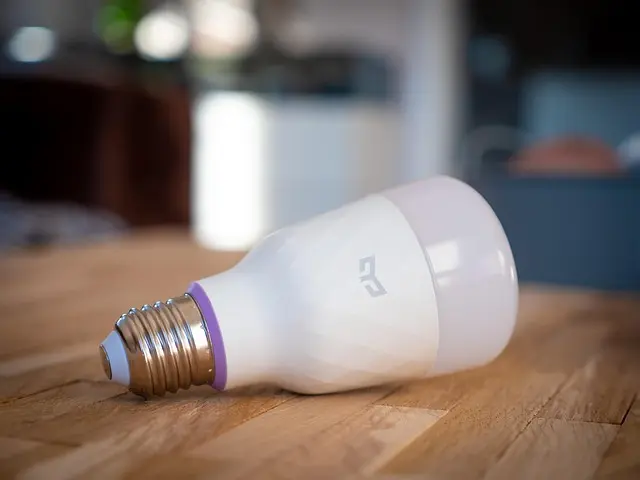
For instance, integrating voice-controlled speakers with smart lighting systems allows homeowners to adjust settings simply by speaking, enhancing comfort while saving energy. Users often report that the spontaneity of voice commands makes daily routines more enjoyable, illustrating why these technologies are essential in any modern smart home.
2. Smart Security Systems
The importance of home security cannot be overstated. Advanced smart security systems now incorporate features like facial recognition, motion detection, and remote monitoring via mobile apps. Research demonstrates that homes equipped with smart security systems experience a 60% reduction in burglary attempts compared to traditional setups.
Furthermore, real-time alerts facilitate immediate responses to potential threats, showcasing a significant evolution in residential safety. The integration of artificial intelligence (AI) into security solutions is particularly noteworthy, as it allows systems to learn and adapt to user behavior. Such advancements portray a proactive approach to home security, which is likely to become more prevalent in the coming years.
3. Energy Management Solutions
With energy costs on the rise, smart energy management solutions have gained traction. These systems can optimize energy consumption patterns and suggest cost-effective usage strategies based on user habits. Devices such as smart thermostats and energy monitors significantly save on energy bills, with reports stating that consumers can reduce their energy costs by up to 30% annually.
Moreover, integrating renewable energy sources, such as solar panels, with smart systems allows homeowners to manage their energy production and consumption effectively. These innovations empower homeowners to make informed energy choices while contributing positively to environmental sustainability.
4. Advanced Home Automation
Home automation systems have evolved beyond simple remote controls. Today, these systems can learn user habits, adjust settings accordingly, and integrate seamlessly with various smart devices. According to a recent report, the smart home automation market is projected to reach $174 billion by 2026, indicating a rapid adoption of these technologies.
Homeowners can program their systems to perform specific actions automatically, such as adjusting the thermostat when they leave for work or turning off lights after sunset. The consequence is a more efficient living space that conserves energy and enhances user enjoyment. This trend reflects a growing consumer preference for hands-free technology that simplifies daily tasks.
5. Smart Appliances
Smart appliances like refrigerators, ovens, and washing machines are now equipped with internet connectivity, allowing users to monitor and control them remotely. Reports indicate that smart appliance sales are expected to grow by over 20% in 2026, demonstrating widespread adoption. These devices can alert homeowners when maintenance is needed or suggest recipes based on available ingredients, showcasing their multifunctionality.
Moreover, the ability to control appliances through a smartphone app provides an unparalleled level of convenience, making cooking and cleaning less tedious. Consumers appreciate these upgrades, underscoring the importance of smart appliances in today’s tech-savvy households.
6. Seamless Integration with IoT
The integration of Internet of Things (IoT) technologies is foundational to smart home innovations. Devices that communicate with one another help create cohesive systems that sync in real-time. For example, smart doorbells can notify homeowners via their smartphones when someone rings them, displaying a live video feed of the visitor.
This interconnectedness is essential for creating a responsive home environment. As IoT technology continues to advance, we can expect even more sophisticated integrations, making daily life simpler and more efficient.
7. Sustainable Smart Home Solutions
The demand for sustainability in smart homes is ever-increasing. Many consumers are looking for eco-friendly options that reduce their carbon footprint. Technologies such as smart irrigation systems, which optimize water usage for gardens, exemplify the movement towards greener living.
In 2026, products utilizing alternative energy sources, such as eco-friendly home batteries, are trending. These products align with a growing consumer awareness of environmental issues, highlighting sustainability as a primary concern in future innovations.
📺 For Further Exploration:
Watch our recommended video on the latest smart home trends to get a visual understanding of how these innovations work together to enhance your living environment. Search on YouTube: "smart home innovations 2026".
Checklist Before Investing in Smart Home Innovations
- [ ] Define your primary needs (security, energy efficiency, convenience).
- [ ] Research brands and models with high user satisfaction ratings.
- [ ] Ensure devices are compatible with existing systems in your home.
- [ ] Consider installation costs if going for complex systems.
- [ ] Look for eco-friendly options that align with sustainability goals.
Glossary
| Terme | Définition |
|---|---|
| Smart Home | A residence equipped with devices that automate tasks for enhanced living. |
| IoT (Internet of Things) | A network of interconnected devices that communicate and share data. |
| Home Automation | The control of devices in the home through an integrated system. |
Recommended products
Selected by our experts
Home Automation: How to Make a Smart Home
Alison US CA
This product provides essential guidance for homeowners looking to transition to a smart home through step-by-step approaches.