Table of Contents (11 sections)
Introduction
In 2026, the landscape of smart home technology is more innovative than ever. With advancements in AI and a focus on sustainability and security, smart homes are becoming increasingly integrated into our daily lives. This article explores the top trends in smart home technology for 2026, offering insights into why these developments matter and what they mean for users.
AI Integration and Smart Assistants
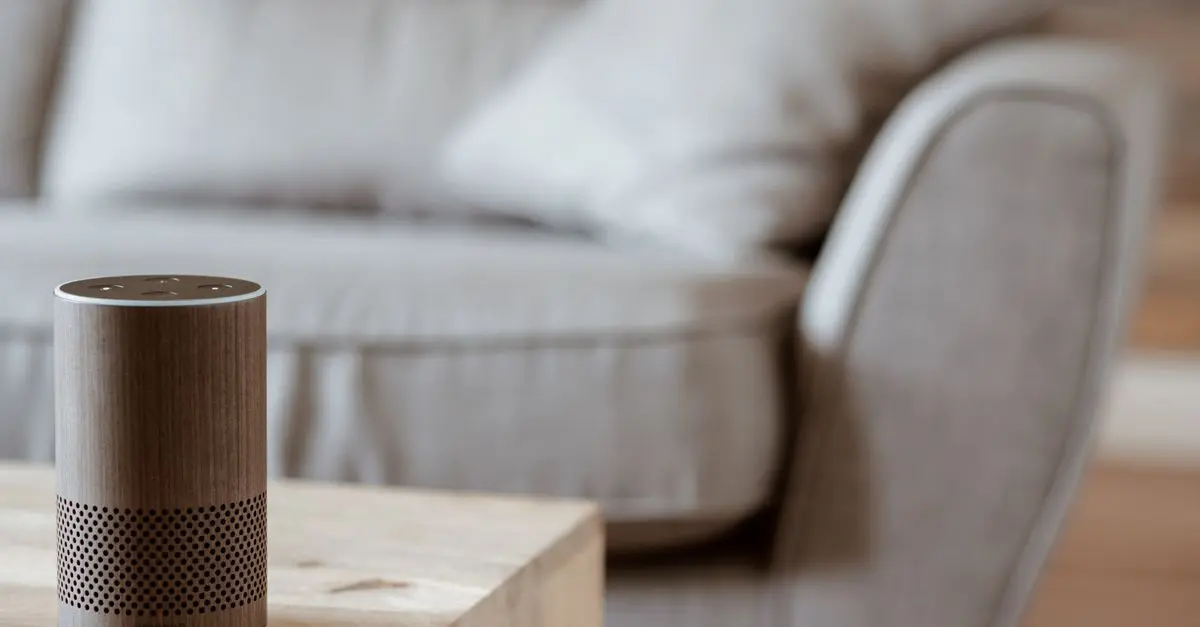
Artificial Intelligence continues to transform smart home technology, enabling devices to better understand and interact with users. In 2026, smart assistants like Alexa and Google Assistant are more intuitive, offering personalized experiences based on user behavior and preferences. According to a study by Gartner, 85% of smart home devices are expected to include AI-driven features by the end of the year.
These assistants are now capable of managing complex tasks like controlling energy consumption and scheduling maintenance, making them indispensable tools in smart homes. As users become more accustomed to AI, the adoption rate for these devices is expected to rise dramatically, leading to a more connected and efficient living environment.
Sustainability and Eco-Friendly Devices
With increasing awareness of environmental issues, smart home devices in 2026 are designed with sustainability at the forefront. Companies such as Philips and LG are leading the way by producing energy-efficient appliances and eco-friendly gadgets. These innovations not only reduce carbon footprints but also offer significant savings on utility bills.
According to Energy Star, homes equipped with smart thermostats can save up to 20% on heating and cooling costs. The trend towards green technology is not just beneficial for the planet, but it's also becoming a key selling point for consumers. As legislative pressures increase, smart home manufacturers are investing heavily in eco-friendly technologies to stay ahead of regulations and consumer demand.
Advanced Security Systems
In 2026, smart home security systems are more advanced than ever. From high-resolution cameras to biometric locks, the focus is on providing comprehensive protection. Real-time alerts and remote monitoring have become standard, allowing users to keep tabs on their homes from anywhere.
Security companies like Ring and ADT are continuously improving their offerings, integrating AI to predict and alert potential security threats. According to Statista, the smart security market is expected to grow by 25% annually, underscoring the importance of safety to consumers. These advancements not only enhance home security but also provide peace of mind to homeowners.
Interoperability and Unified Platforms
A significant trend in 2026 is the push towards interoperability, allowing devices from different manufacturers to work seamlessly together. Platforms like Apple HomeKit and Samsung SmartThings aim to unify smart devices, providing users with a single interface to control everything.
This trend simplifies user experience, reduces compatibility issues, and encourages more widespread adoption of smart technologies. As more manufacturers prioritize interoperability, consumers can expect a more cohesive smart home ecosystem.
Enhanced User Experience through AR and VR
Augmented Reality (AR) and Virtual Reality (VR) are playing a notable role in enhancing user experiences in smart homes. These technologies provide immersive experiences, such as virtual tours of home design changes or AR-guided DIY maintenance.
Brands like Oculus are pioneering VR applications for home users, offering a new dimension of interaction with smart home technology. The integration of AR and VR not only makes smart home management more engaging but also opens new possibilities in home entertainment and remote work setups.
📺 Resource Video
> 📺 For further learning: Exploring Smart Home Trends of 2026, a comprehensive analysis of smart home advancements. Search on YouTube: "smart home trends 2026 analysis".
ANALYTICAL TABLE
| Feature | AI Integration | Eco-Friendly | Security Systems | Interoperability |
|---|---|---|---|---|
| Benefits | Personalization | Cost Savings | Enhanced Safety | User-Friendly |
| Growth Rate | High | Moderate | High | Moderate |
| User Demand | Increasing | Stable | High | Increasing |
Glossary
| Term | Definition |
|---|---|
| AI | Artificial Intelligence, the simulation of human intelligence by machines. |
| VR | Virtual Reality, a simulated experience that can be similar or different from the real world. |
| Interoperability | The ability of different systems or components to work together. |
Checklist Before Purchase
- [ ] Verify device compatibility with existing systems.
- [ ] Evaluate energy efficiency ratings.
- [ ] Research user reviews and ratings.
- [ ] Ensure robust security features.
- [ ] Consider future-proofing capabilities.
Conclusion
The smart home trends of 2026 reflect a growing emphasis on personalization, sustainability, and security. As technology continues to evolve, staying informed about these trends will ensure that your home remains efficient, safe, and ahead of the curve. Whether you're an early adopter or just beginning your smart home journey, these innovations promise to enhance the way you live.
💡 Expert Insight: According to industry experts, the smart home market is set to revolutionize domestic life, combining convenience with sustainability. As manufacturers focus on user experience and green technology, consumers can expect even more exciting developments in the coming years.
🧠 Quick Quiz: What's the expected annual growth rate of the smart security market?
- A) 10%
- B) 25%
- C) 50%
Answer: B — The smart security market is expected to grow by 25% annually.