Table of Contents (12 sections)
Introduction
In recent years, wireless charging technology has made significant strides, revolutionizing how we engage with our devices. In 2026, we're witnessing major advancements that promise to enhance convenience and efficiency. This article delves into the key trends shaping the future of wireless charging technology.
Wireless Charging Technology: An Overview
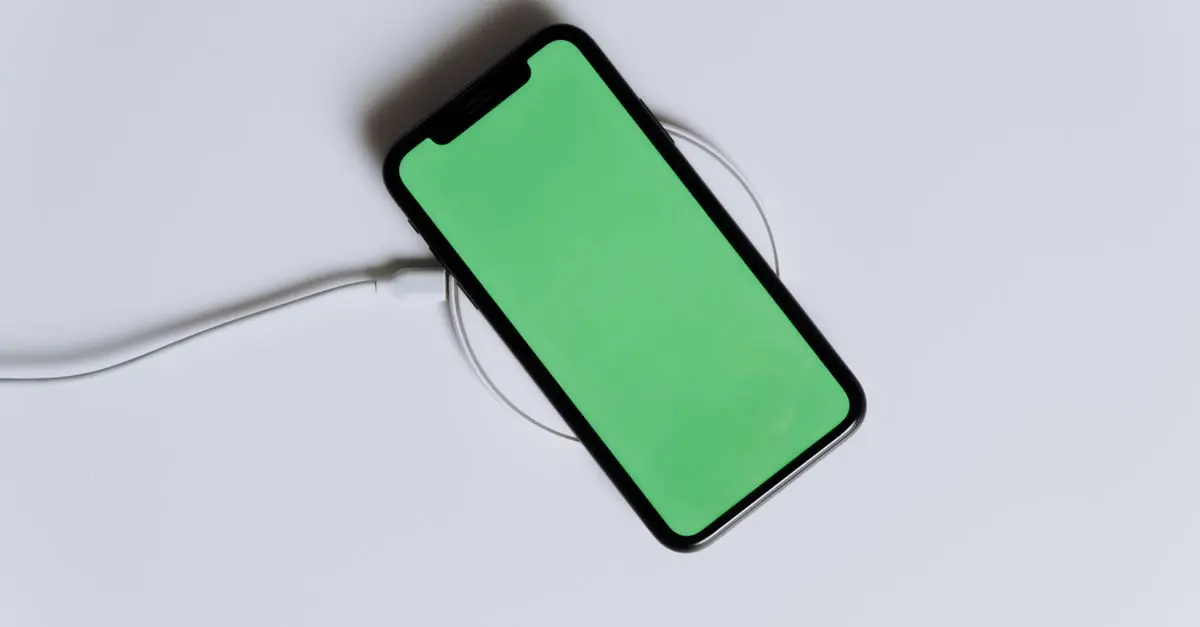
Wireless charging has transitioned from a novelty to a necessity. Originally, it relied on inductive charging, where devices need to be in close proximity to the charging pad. Today's advancements push these boundaries even further. In 2026, resonant and radio frequency charging are leading the charge, enabling longer ranges and higher efficiency.
More people seek environmentally-friendly solutions. Wireless chargers now boast improved energy efficiency, crucial for minimizing carbon footprints. As a result, the market for these technologies is growing rapidly, with a projected growth rate of 23% annually, according to Statista.
Resonant Wireless Charging: Expanding Flexibility
Resonant wireless charging eliminates the need for strict alignment with charging pads. This advancement allows users to charge multiple devices simultaneously with a single pad. Major players like Samsung and Apple have already adopted this technology, making it a standard in homes and offices.
The flexibility provided by resonant charging means users can set their devices down with less precision, effortlessly powering up while maintaining productivity. As the technology becomes mainstream, we expect it to replace traditional inductive chargers completely, making it a fundamental component of IoT environments.
Long-Range Wireless Charging: A Game Changer
A key development in 2026 is long-range wireless charging. This technology uses radio waves to deliver power over significant distances. Notably, companies like Wi-Charge have commercialized systems that can charge devices across a room. This shift dramatically enhances user convenience, making untethered charging a reality.
Long-range wireless charging drastically reduces 'plug fatigue,' allowing consumers to move seamlessly between environments without worrying about battery levels. We anticipate widespread adoption in smart homes and offices, potentially integrating with wearable tech for continuous power supply.
Integration with Smart Grids: Powering Up Sustainability
Incorporating wireless charging into smart grids is another growing trend. This integration aligns with environmental goals by harnessing renewable energy sources and managing energy distribution efficiently. According to a report from UFC-Que Choisir, cities that have adopted this integration have seen a 15% decrease in energy wastage.
This blend of technology promotes smart energy use, potentially supporting an increase in electric vehicles and reducing reliance on traditional grid systems. As cities evolve, this technology could play a crucial role in urban planning and energy management strategies.
📺 Resource Video
📺 For further insights: Wireless Charging Explained: How It Works, a thorough analysis of wireless charging advancements. Look up on YouTube: "wireless charging 2026 trends".
Wireless Charging in Electric Vehicles: Driving the Future
Wireless charging technology is revolutionizing the electric vehicle (EV) sector. Companies like Qualcomm are developing dynamic charging systems that allow vehicles to charge while on the move. This innovation is pivotal for reducing downtime and enhancing the EV appeal.
By eliminating the need for plug-in stops, dynamic charging can significantly extend a vehicle's range. This advancement not only helps EVs penetrate deeper into the consumer market but also supports the broader adoption of sustainable transportation.
Comparative Table of Wireless Charging Technologies
| Technology | Range | Efficiency | Use Case | Verdict |
|---|---|---|---|---|
| Inductive | ≤5 cm | High | Older devices, small electronics | Becoming outdated |
| Resonant | ≤100 cm | Medium | Multi-device charging pads | Future standard for households |
| Radio Frequency | >5 meters | Low | Long-range charging for IoT devices | Cutting-edge and transformational |
Public spaces are also embracing wireless charging. Airports, cafés, and even public transportation hubs feature wireless charging stations. Starbucks and others are leading the way, providing customers the convenience of charging on the go.
This trend demonstrates a shift towards ubiquitous connectivity, catering to consumer expectations for seamless tech integration in daily life. The adoption of universal wireless charging pads in public areas might become standard practice in the coming years, further propelling the demand for such infrastructure.
Checklist Before Adopting Wireless Charging Technology
- [ ] Evaluate the range requirements for your devices.
- [ ] Consider energy efficiency and environmental impact.
- [ ] Compare different brands' reliability and performance.
- [ ] Assess compatibility with existing smart home setups.
- [ ] Monitor trends for long-term technology viability.
Glossary
| Terme | Définition |
|---|---|
| Inductive Charging | A form of wireless charging using magnetic fields. |
| Resonant Charging | Wireless energy transfer with ease of positioning. |
| Smart Grid | Electricity supply network that uses digital tech. |
As we move further into 2026, wireless charging technology continues to reshape our interaction with devices. Through enhanced flexibility, range, and integration, it promises greater convenience and efficiency. These trends, coupled with sustainable practices, point towards a compelling and innovative future.
🧠 Quiz rapide : How does resonant charging differ from inductive charging?
- A) Uses direct contact
- B) Allows more placement flexibility
- C) Requires exact alignment
Réponse : B — Resonant charging allows more flexibility in device placement.