Table of Contents (9 sections)
In the rapidly evolving tech landscape, the premium tech innovations of 2026 are poised to redefine user experiences and set new industry standards. This article delves deep into several major trends shaping the premium tech market, offering insights and predictions to keep you ahead of the curve.
1. Smart Home Integration
As we look forward to 2026, smart home integration has reached an unprecedented level. The trend of making homes smarter is not just about convenience; it’s about creating environments that learn and adapt to the preferences of their occupants.
Recent statistics suggest that the global smart home market is projected to reach $174 billion by 2025, according to industry sources. With innovations such as AI-assisted home automation systems, connected appliances, and advanced security features, homeowners can manage their environments seamlessly. Brands like Google Nest and Amazon Alexa have set the benchmark for smart devices, offering integrated solutions that not only increase energy efficiency but also enhance security.
Moreover, with the rise of Internet of Things (IoT) technology, devices can communicate with each other, creating a more cohesive living experience. For example, smart thermostats adjust temperatures based on occupancy, while smart lighting systems can change ambiance based on the time of day. As costs decrease and technology improves, we can expect a surge in consumer adoption, indicating a significant shift towards smart living spaces.
2. Augmented Reality (AR) in Retail
Augmented Reality (AR) continues to revolutionize the shopping experience, bridging the gap between online and physical retail in exciting new ways. As of 2026, retailers are increasingly using AR technology to provide immersive, interactive experiences that engage customers on a whole new level.
Sephora, for instance, allows customers to try on makeup virtually using AR, enhancing the customer experience and effectively reducing return rates. According to a report by Deloitte, brands using AR technology in retail see a nearly 40% increase in customer engagement. This technology helps consumers visualize products in their own space before making a purchase, thus enhancing the decision-making process.
Moreover, as smartphone capabilities expand, AR apps are becoming more accessible, paving the way for wider adoption. We can expect to see enhancements in AR interfaces, making shopping not just a transactional experience but a form of entertainment, ultimately driving sales across the retail sector.
3. Sustainable Tech Innovations
Sustainability is no longer just a marketing buzzword; it is becoming a defining feature of premium tech innovations in 2026. With increasing environmental awareness, both consumers and companies are prioritizing sustainability in their purchasing and manufacturing decisions. The tech industry is responding with products that are designed with eco-friendliness in mind.
For example, Apple’s commitment to using recycled materials in its products showcases a shift within the tech sector. As a result, products like the latest MacBook models include components made from recycled aluminum and rare earth materials. According to a study by Nielsen, 73% of consumers are willing to change their shopping habits to reduce their environmental impact.
Furthermore, innovations in energy-efficient devices can lead to significant reductions in carbon footprints. Examples include solar-powered chargers and energy-efficient appliances that are becoming staples in households. The push for sustainability is not just a trend, but a significant movement influencing product development and consumer behavior.
4. Advanced Wearable Technology
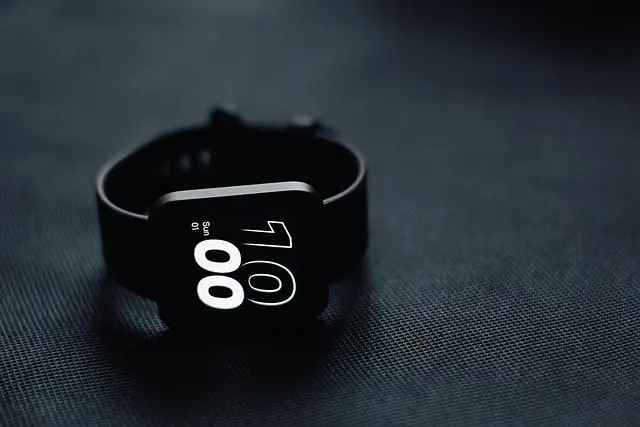
The wearable technology market is expanding rapidly, with innovations emerging that blend functionality with style. In 2026, we anticipate even more advanced devices, from fitness trackers to smart glasses, becoming integrated into daily life.
The global wearable technology market was valued at $116 billion in 2021 and is expected to grow as health tracking capabilities continue to evolve. Devices are now capable of monitoring a variety of health metrics, from heart rate and sleep quality to blood oxygen levels. Companies like Fitbit and Garmin are leading this charge, making health management more accessible and user-friendly.
Moreover, the introduction of smart glasses that display information in real-time offers new possibilities in navigation and communication. Predictions suggest that these smart wearables could eventually replace smartphones as the primary device for interaction, creating a more seamless user experience. As these devices become more sophisticated, the convergence of technology and lifestyle will profoundly affect how we navigate our world.
5. 5G and Beyond: Enhancing Connectivity
The rollout of 5G technology has ushered in a new era of connectivity, enabling faster data transfer and more reliable network connections. By 2026, this technological advancement is set to redefine how we use technology in both personal and professional realms.
5G technology has the potential to enhance experiences in various sectors, from healthcare with telemedicine applications to smart cities with interconnected infrastructure. According to a report by Gartner, 5G could boost global GDP by an estimated $2 trillion by 2030 through improved efficiency and innovation.
As devices become increasingly interconnected, the demand for 5G infrastructure will expand, leading to smarter transportation systems and improved access to services in urban areas. In essence, the implications of 5G are extensive, and as the technology matures, the advent of 6G is already on the horizon, promising even greater enhancements in connectivity.
📺 For further insights:
Discover more about premium tech innovations in 2026 by checking out this video on YouTube: "The Future of Premium Tech — What to Expect". Search for: premium tech innovations 2026.
Checklist Before Purchasing Premium Tech
- [ ] Research product reviews and features
- [ ] Compare sustainability impacts
- [ ] Ensure compatibility with existing devices
- [ ] Evaluate warranty and support options
- [ ] Check for the latest technology advancements
Glossary
| Terme | Définition |
|---|---|
| IoT (Internet of Things) | Ensemble de dispositifs connectés permettant l'échange de données entre eux. |
| AR (Augmented Reality) | Technologie qui superpose des informations numériques au monde réel. |
| Wearable Technology | Dispositifs électroniques portables qui collectent des données au sujet de l'utilisateur. |
> 🧠 Quiz rapide : What is a key benefit of 5G technology?
> - A) Slower internet speeds
> - B) Greater connectivity and speed
> - C) Limited device compatibility
> Réponse : B — 5G technology enables faster and more reliable connections.
📺 Pour aller plus loin : premium tech innovations 2026 sur YouTube